
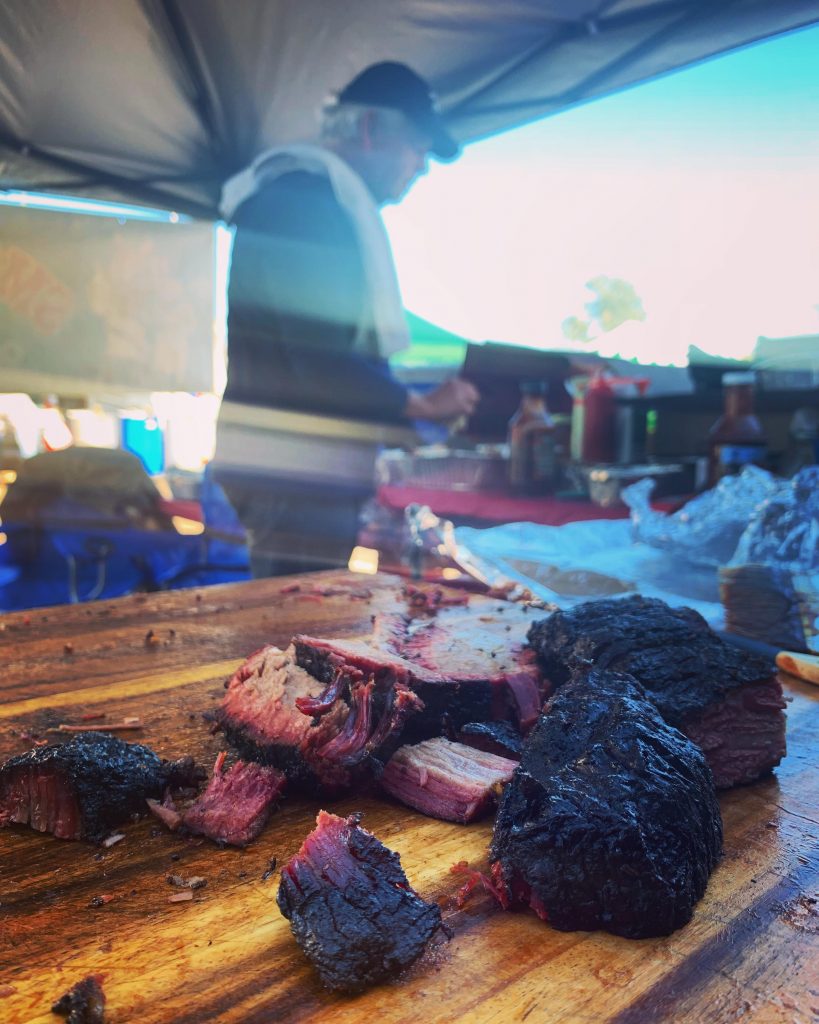
The Backyard Barbecue That Looked Like the Safest Place in the World to Talk
The whole thing started at what I thought was the least threatening environment possible: a backyard barbecue. There was smoke drifting from the grill, plastic chairs scattered around, and people holding plates that were already too full before the conversation even started. It felt relaxed, familiar, and completely disconnected from anything that resembled a sales situation. That was exactly why I let my guard down. In my mind, this was just social time, not business time, so I assumed nothing I said could possibly go wrong. Looking back, that assumption was the first quiet mistake that set everything in motion. I didn’t realize that informal settings don’t cancel sales dynamics; they just hide them under laughter and food.
People were talking about weekend plans, family updates, and how long the marinade had been sitting on the meat. I was nodding along, enjoying the atmosphere, and feeling like I didn’t need to “perform” in any way. That comfort is what made me careless without noticing it. The barbecue created a false sense of safety where I believed persuasion wouldn’t feel like pressure. I wasn’t thinking about boundaries between conversation and business at all. That mental gap would later become the exact place where things started to fall apart.
The Moment a Simple Product Mention Changed the Energy
At some point, someone asked what I had been working on lately, and that’s where the shift began. I answered casually at first, but the topic slowly drifted toward something I was selling. It started harmless, just a mention, nothing structured or intentional. But I felt a spark of excitement and leaned into it more than I should have. I told myself I was just “sharing,” even though I was already moving into explanation mode. That’s often where things blur without warning.
What I didn’t notice was how quickly the tone of the group started to shift. People were still smiling, but the energy wasn’t as engaged as before. Conversations didn’t flow the same way; they started pausing longer. Instead of stepping back, I interpreted those pauses as curiosity. That misread became the fuel for continuing down the wrong path. I kept talking instead of listening, which made the shift even more noticeable in hindsight.
Reading the Room Completely Wrong Without Even Realizing It
The biggest issue wasn’t what I said; it was how I interpreted the reactions. I mistook politeness for interest and attention for intent. At a barbecue, people naturally listen while eating, but that doesn’t mean they’re mentally stepping into a buying mindset. I failed to separate social engagement from commercial readiness. That distinction seems obvious now, but in the moment, it was completely invisible to me. I kept pushing forward based on signals that weren’t actually signals at all.
What made it worse was my confidence in the setting itself. I thought, “They know me, they’re relaxed, this will feel natural.” That assumption erased any caution I should have had. I didn’t ask questions to check engagement; I just continued explaining. I also ignored subtle body language shifts like people turning slightly away or focusing more on their plates. The room was telling me something, but I was only listening to myself.
The Exact Moment Things Turned Embarrassing
There is a very specific point in memory where everything felt different, even while it was still happening. I remember finishing a point I thought was strong and expecting a response that never came. Instead, there was a pause that felt longer than it should have. Someone nodded politely, but no one followed up. That silence was louder than any objection I could have received.
The conversation didn’t crash dramatically; it just softened and drifted away from me. People started talking about the grill temperature and whether the meat needed more time. I realized I was no longer part of the natural flow of discussion. That realization hit slower than it should have, which made it even more uncomfortable. I kept trying to re-enter the conversation with more explanation, but it didn’t land. It was like talking slightly off rhythm while everyone else had already moved on.
The Humbling Realization I Tried to Ignore at First
The hardest part wasn’t the awkwardness itself; it was recognizing that I caused it. I had pushed too far in a space that didn’t ask for it. That realization didn’t arrive all at once; it came in small, uncomfortable waves. First came confusion, then denial, and finally acceptance that I had shifted the energy in the wrong direction. I had turned a relaxed social moment into something that felt like pressure, even if unintentionally.
What stung most was understanding that people weren’t rejecting the product as much as they were stepping away from the experience. That distinction mattered more than I initially understood. It wasn’t about features or value; it was about timing and context. I had ignored both. The humbling part was realizing that even good intentions can feel misplaced when the setting is wrong. That lesson didn’t feel theoretical; it felt personal.
The “Barbecue Effect” and Why It Changes Everything
Social environments like barbecues have a psychological structure that most people don’t consciously notice. They are built around comfort, food, and connection, not decision-making. That changes how every conversation is received, especially anything remotely commercial. I had completely underestimated that effect. I treated it like a neutral space when it was actually a protected social zone.
People don’t go to barbecues to evaluate offers or compare solutions. They go to relax, laugh, and temporarily disconnect from pressure. When sales energy enters that space, even subtly, it creates friction. Not because people are hostile, but because it doesn’t match their emotional state. I walked straight into that mismatch without realizing it.
What Went Wrong in My Approach Without Me Noticing at First
When I replay the moment, the mistakes become obvious, but at the time they felt like normal conversation. I talked more than I listened, which already shifted the balance. I explained instead of asking, which removed curiosity from the other side. I also failed to check if people actually wanted to go deeper into the topic. That missing step mattered more than anything else.
What I did without realizing it
-
Turned casual conversation into a structured explanation
-
Continued talking even after engagement dropped
-
Assumed interest instead of confirming it
-
Prioritized clarity over connection
-
Ignored emotional cues in the environment
Each of these actions on its own might seem small. Together, they created a moment that felt increasingly uncomfortable for everyone involved. The hardest part was realizing none of it required bad intent—just poor awareness.
The Silence That Said More Than Any Words Ever Could
After I finished speaking, there was a silence that didn’t feel natural. It wasn’t the comfortable kind of silence that happens when people are thinking. It was the kind where people actively choose not to continue a topic. Someone eventually changed the subject, and I didn’t resist it. That shift felt like relief for everyone except me.
I tried once more to lightly reintroduce the topic, but it didn’t land. The energy was already gone. The conversation moved forward without me in that space, and I had to accept it. That moment taught me something I hadn’t fully understood before: silence can be feedback. It doesn’t always need words to communicate disinterest.
What Human Behavior Quietly Revealed That Day
That barbecue revealed something about people that sales training often explains but experience makes real. People protect social comfort more than they pursue information. Even if something is useful, timing determines whether it is received or rejected. Trust in a social setting is fragile and context-driven.
It also showed me that emotional safety matters more than logical persuasion. People don’t evaluate everything analytically in casual environments. They respond based on how something feels in the moment. If it feels like pressure, even subtle pressure, they step back emotionally before they step back physically. That reaction is often invisible unless you are paying close attention.
How to Handle Similar Moments Without Losing Connection
After that experience, I started paying attention to how conversations naturally unfold in social settings. The biggest shift wasn’t about selling less; it was about listening more. I also learned to separate storytelling from pitching, especially in relaxed environments. Sharing experiences is different from trying to guide someone toward a decision.
A few adjustments made a significant difference over time:
-
Let curiosity come from the other person first
-
Keep explanations short unless asked for more detail
-
Watch for energy shifts instead of just words
-
Stay in conversation mode instead of presentation mode
-
Respect the emotional purpose of the gathering
These changes helped rebuild trust in how I communicated. They also reduced moments where I unintentionally created discomfort.
The Emotional Aftermath That Stayed Longer Than Expected
After leaving the barbecue, I replayed everything in my head more times than I wanted to admit. Small details became larger in hindsight. Every pause, glance, and shift in tone felt clearer in memory than it did in real time. That replay cycle was uncomfortable, but it was also instructive.
What stayed with me wasn’t shame as much as awareness. I started recognizing how easy it is to misjudge a situation when you’re focused on your own message. That awareness slowly replaced embarrassment with clarity. It didn’t erase the moment, but it changed how I viewed similar situations afterward. Over time, it became less about what went wrong and more about what could be noticed earlier.
FAQ
Why did the barbecue setting make selling more difficult?
Because barbecues are social environments designed for relaxation and connection, not decision-making or evaluation. That changes how people receive any commercial conversation.
How can someone tell they are losing the room during a conversation?
Common signs include shorter responses, less eye contact, topic changes, and polite but non-engaging silence. These signals often appear before verbal rejection.
Is it always wrong to mention business in social settings?
Not always, but timing matters. If the other person shows curiosity first, it can be appropriate. Without that signal, it often disrupts the social flow.
What is the biggest mistake people make in informal selling situations?
Assuming interest instead of confirming it. Many people continue explaining when they should be observing engagement levels instead.
How can awkward sales moments help improve future communication?
They reveal blind spots in timing, listening, and emotional awareness that are difficult to notice in structured training environments.
Takeaway
That barbecue didn’t just feel awkward—it became a quiet reminder that selling is never separate from human context. The same message can land completely differently depending on timing, emotional space, and social environment. What felt like confidence in the moment turned into a lesson about restraint, awareness, and listening more than speaking. The experience reshaped how I approach conversations where business and everyday life overlap. It also reinforced that the most important skill in any sales moment is knowing when not to sell at all.
Read More: https://smartcalling.com/my-humbling-disappointing-embarrassing-sales-lesson-with-barbecue/